
How the home uses power
Bills and available interval data help reveal how much electricity is used—and when it is used.
Residential solar
A good solar system is more than the number of panels that fit on the roof. Laurence considers your electricity use, roof, shade, tariff and future plans before recommending a system.
SA contractor licence · BLD335702
Local, owner-operated
Direct with Laurence
Licence BLD335702
Care for your home
One home may use most of its electricity while the sun is up; another may use it after sunset. Laurence looks beyond a standard package, taking the time to understand the household behind the bill before selecting the array and inverter.
A useful first conversation
These details help Laurence understand the job, ask the right questions and plan the most useful next step.
How Borda can help
Bills and available interval data help reveal how much electricity is used—and when it is used.
Orientation, seasonal shade, condition, available space and street appearance considered before the layout is finalised.
System size and panel orientation planned around self-consumption, export settings and future household loads.
SA Power Networks requirements, monitoring access and the practical operation of the finished system explained clearly.
Safety first
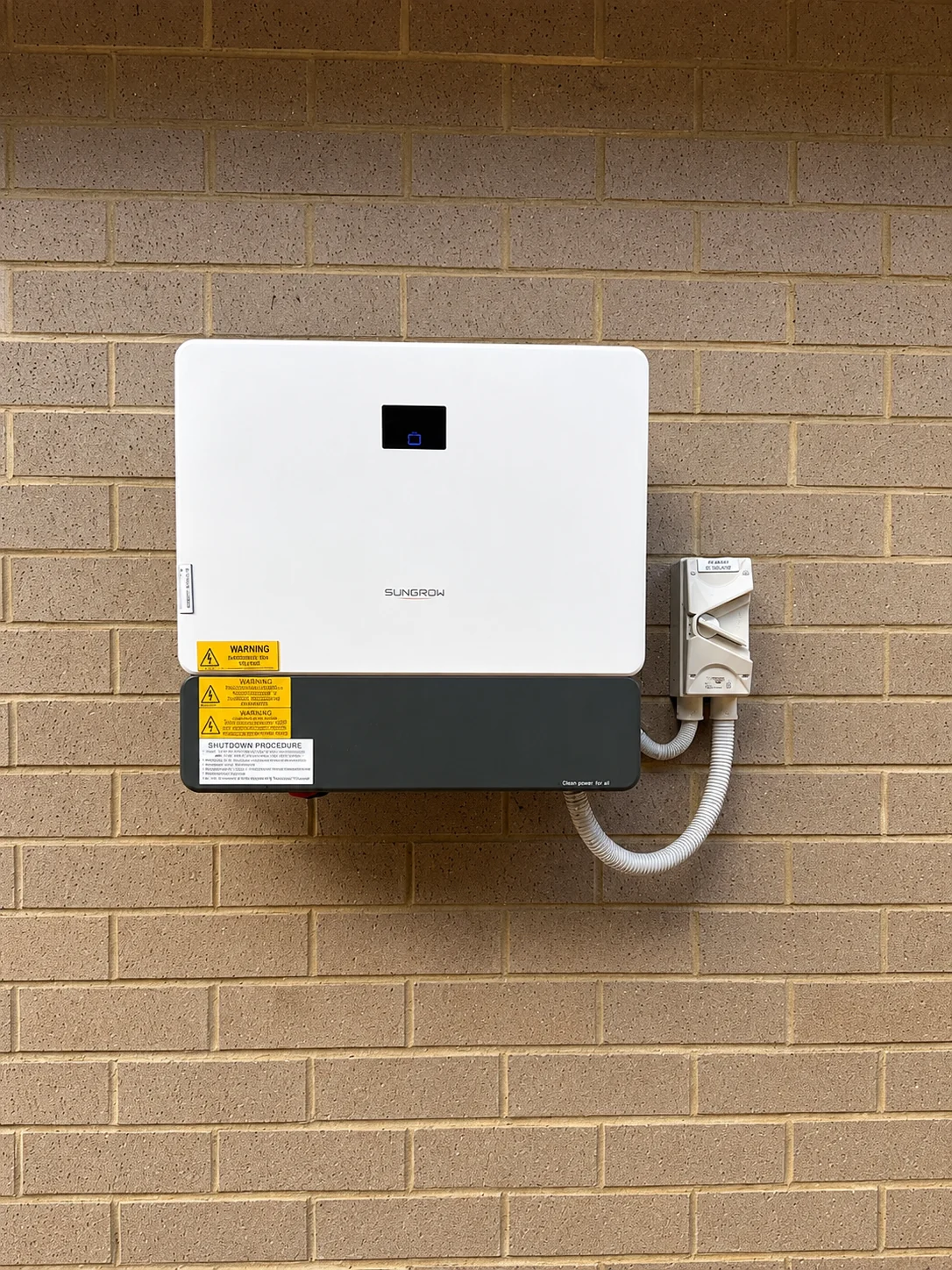
Standard grid-connected solar switches off during an outage. Backup needs compatible equipment and a circuit plan designed for that purpose.
→Tell Laurence what you want solar to achieve, how your household uses power and what may change in the years ahead.
Useful to know
Clear practical information, supported by trusted Australian guidance where useful.
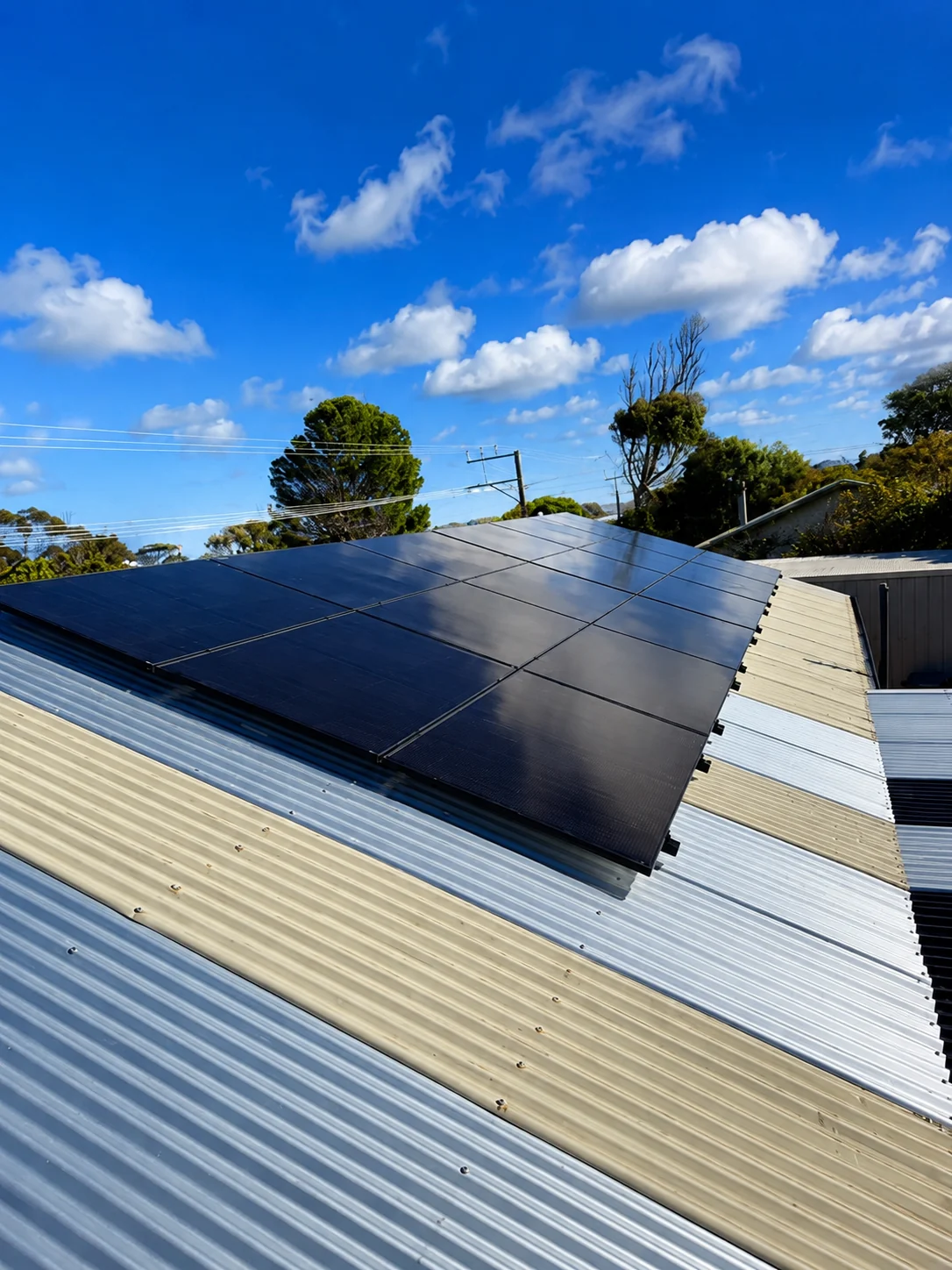
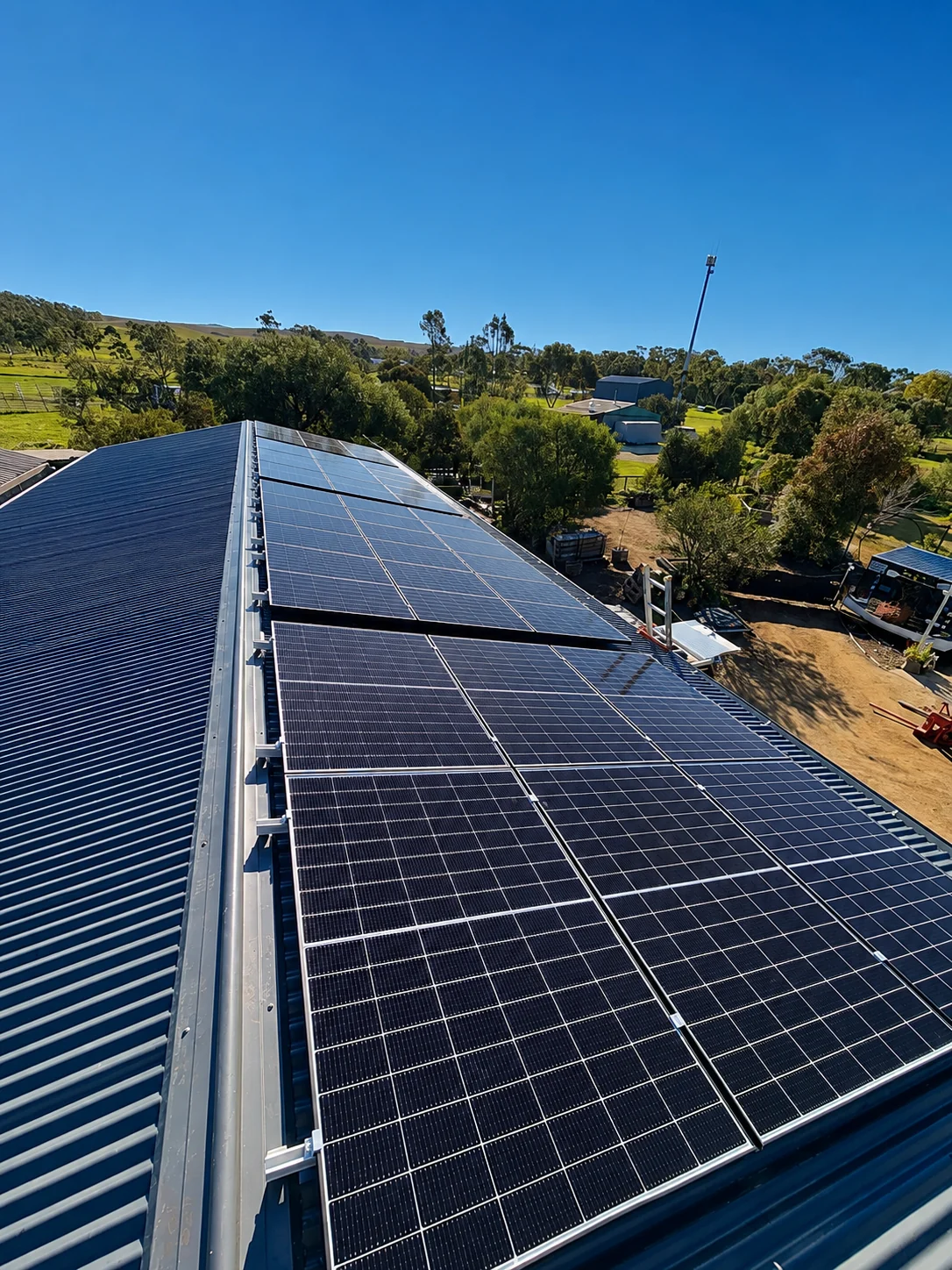
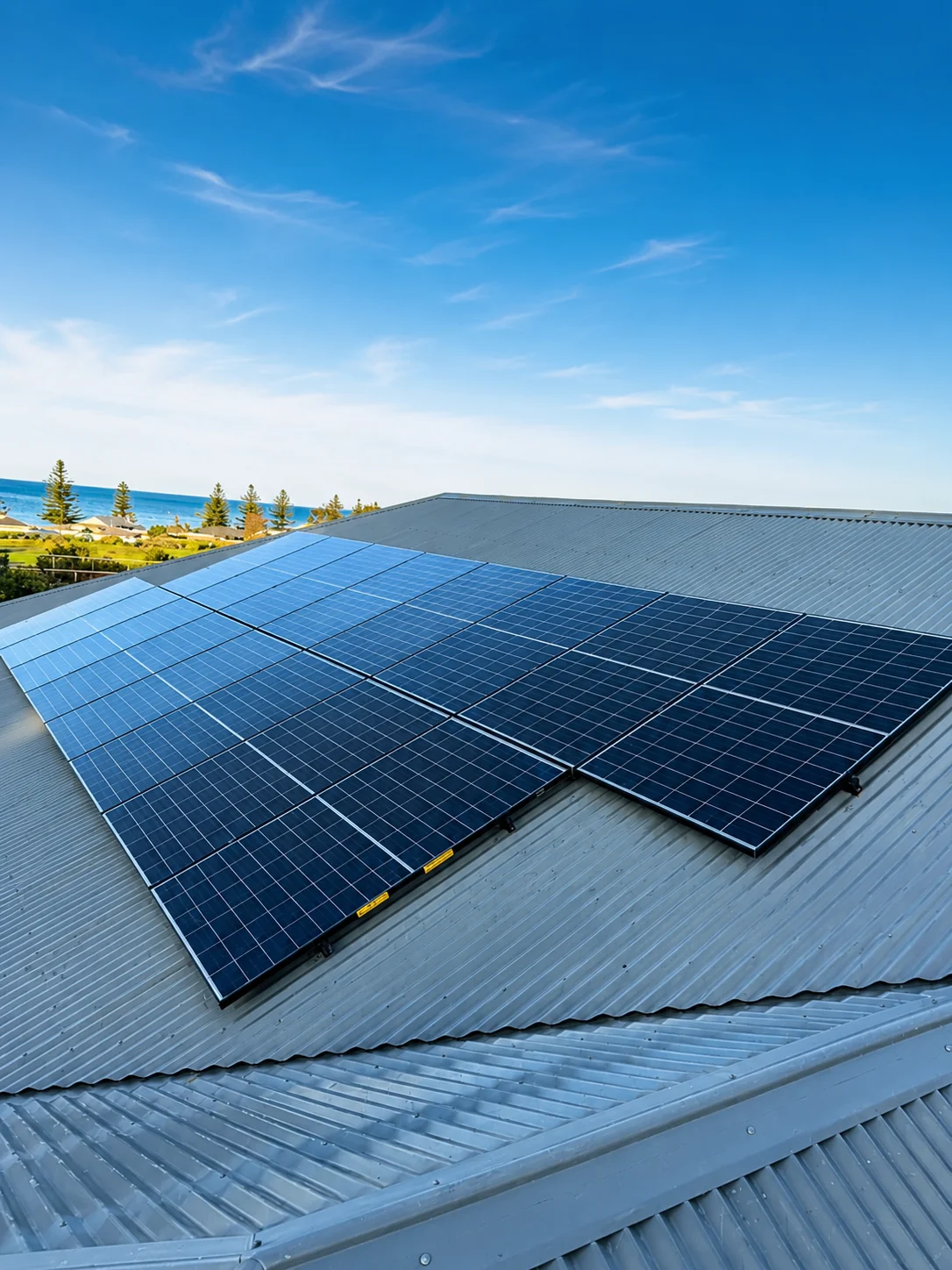
North-facing panels generally produce strongly through the middle of the day. East-facing panels generate earlier and west-facing panels later, so a split layout can sometimes follow household demand more closely.
Australian Government · Solar design ↗The electricity used in your home can be more valuable than exported energy because feed-in tariffs are commonly lower than grid purchase prices. The best-sized system has a clear plan for the energy it produces.
Australian Government · Solar benefits ↗Flexible Export limits depend on the address, network capacity, compatible equipment and internet connection. Laurence checks the available connection pathway and explains what it means before installation.
SA Power Networks · Flexible Exports ↗Direct with your electrician
Laurence listens to what you want the system to achieve, considers the roof, shade, household demand and future plans, and explains which choices suit the property. The person hearing your priorities remains involved through design, installation and handover.
Share what is happening, where you are and what a good result looks like.
Laurence assesses the property, explains the options and confirms a clear scope.
The agreed work is tested, left tidy and handed over with practical guidance.
Common questions
Helpful starting points. The right answer still depends on the property and the existing electrical setup.
It depends on more than roof area. Laurence considers when you use electricity, orientation, shade, available export capacity and likely future loads before recommending a size.
No. North generally gives strong total generation, while east and west can produce at more useful morning and afternoon times. The right layout depends on your roof and daily routine.
Ordinary grid-connected solar switches off during an outage for safety. Backup requires a system specifically designed to operate independently, usually with a compatible battery and defined backup circuits.
Not automatically. Evening use, tariffs, backup priorities, budget and future plans all matter. Laurence can also explain how today’s inverter and switchboard choices may affect adding storage later.
Sometimes. Existing equipment, system condition, roof space and current connection requirements need assessment before promising an extension or upgrade.
They allow a compatible internet-connected system’s export limit to vary with available SA Power Networks capacity. The actual range is property-specific and should not be treated as a guaranteed export allowance.
The right answer depends on the property and what is already installed.
A practical next step
Tell Laurence what you want solar to achieve, how your household uses power and what may change in the years ahead.