
Your vehicle
Charging connection and onboard AC limit checked so the charger and car are properly matched.
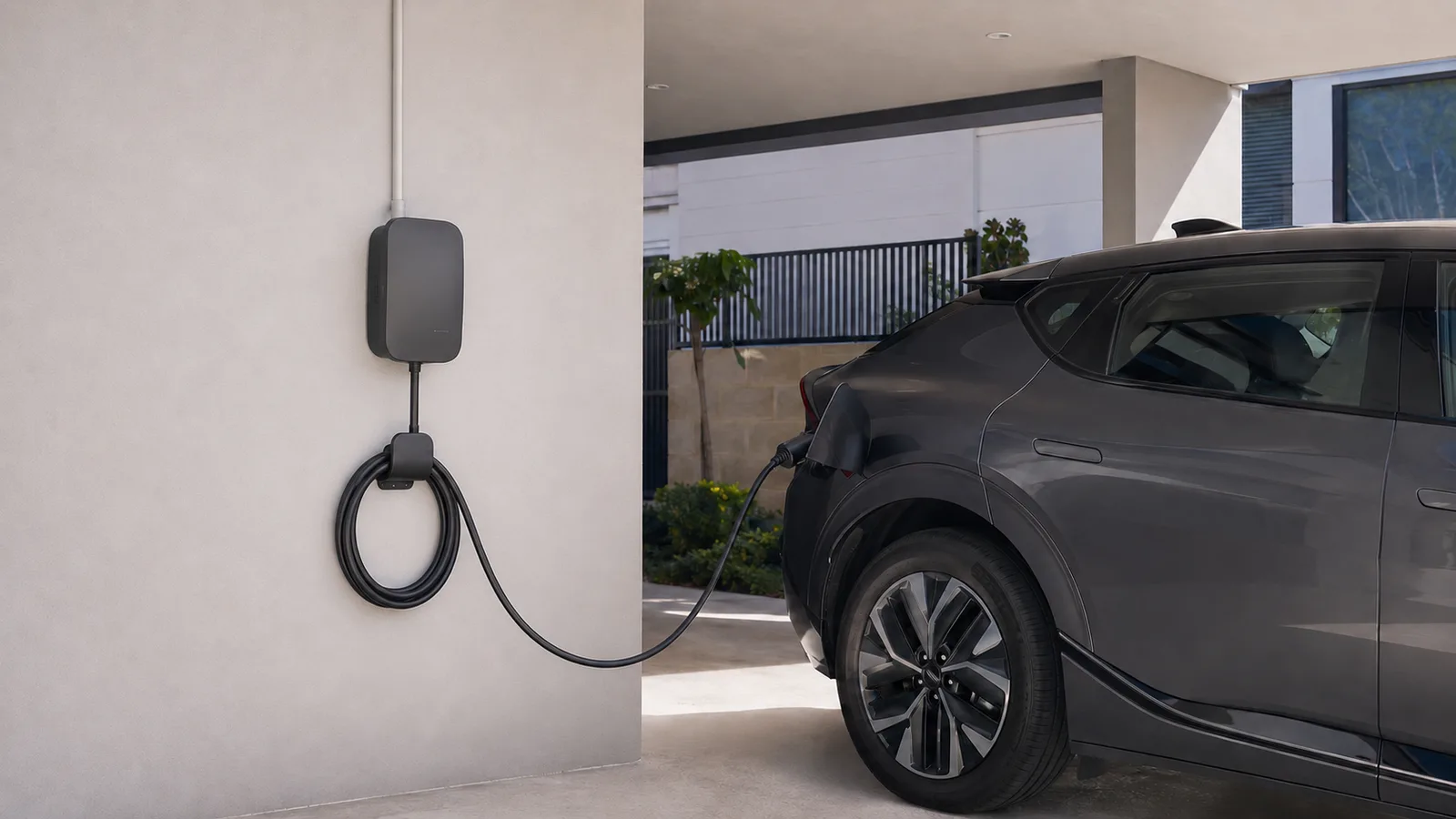
Home EV car chargers
The right charger depends on your car, daily driving, electrical supply, switchboard and solar. Laurence checks those first, then recommends the charging speed and smart features you will actually use.
SA contractor licence · BLD335702
Local, owner-operated
Direct with Laurence
Licence BLD335702
Care for your home
A faster charger is not automatically a better charger. Your vehicle, household supply, switchboard, solar system and daily travel all shape what will work well.
A useful first conversation
These details help Laurence understand the job, ask the right questions and plan the most useful next step.
How Borda can help
Charging connection and onboard AC limit checked so the charger and car are properly matched.
Supply, switchboard, other large loads, cable route, mounting and weather exposure assessed together.
Daily travel and overnight parking used to decide the charging capacity that is genuinely useful.
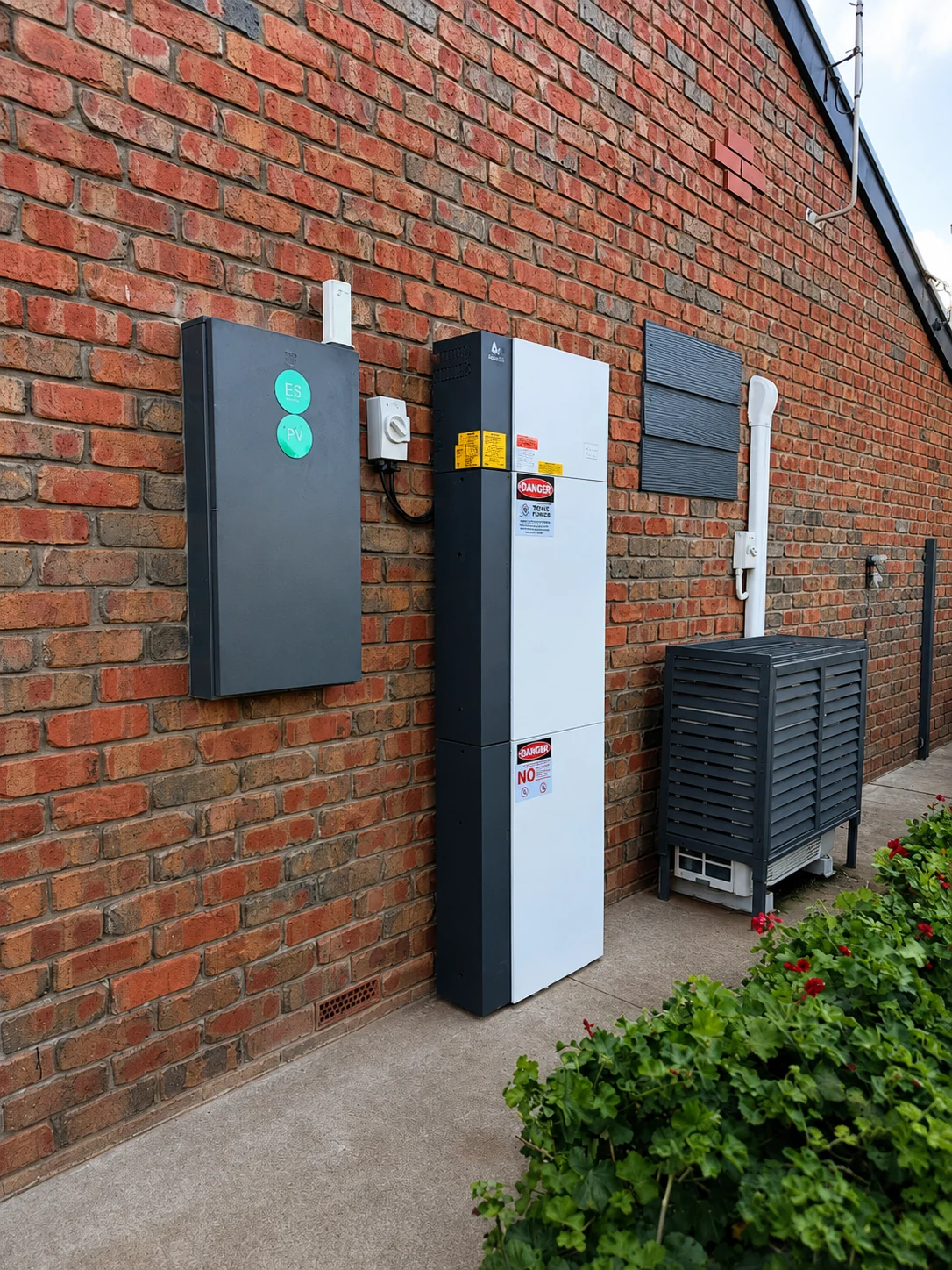
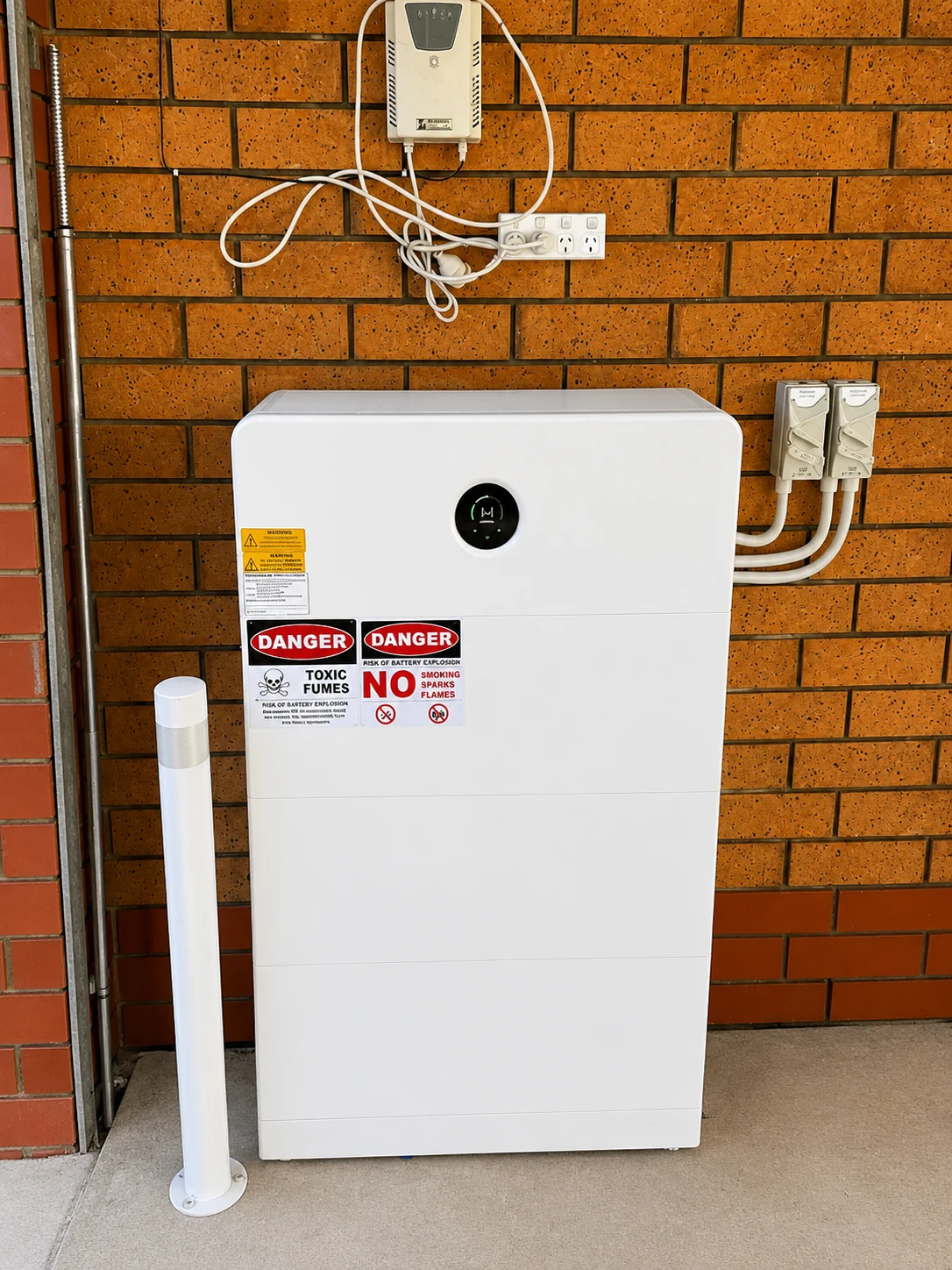
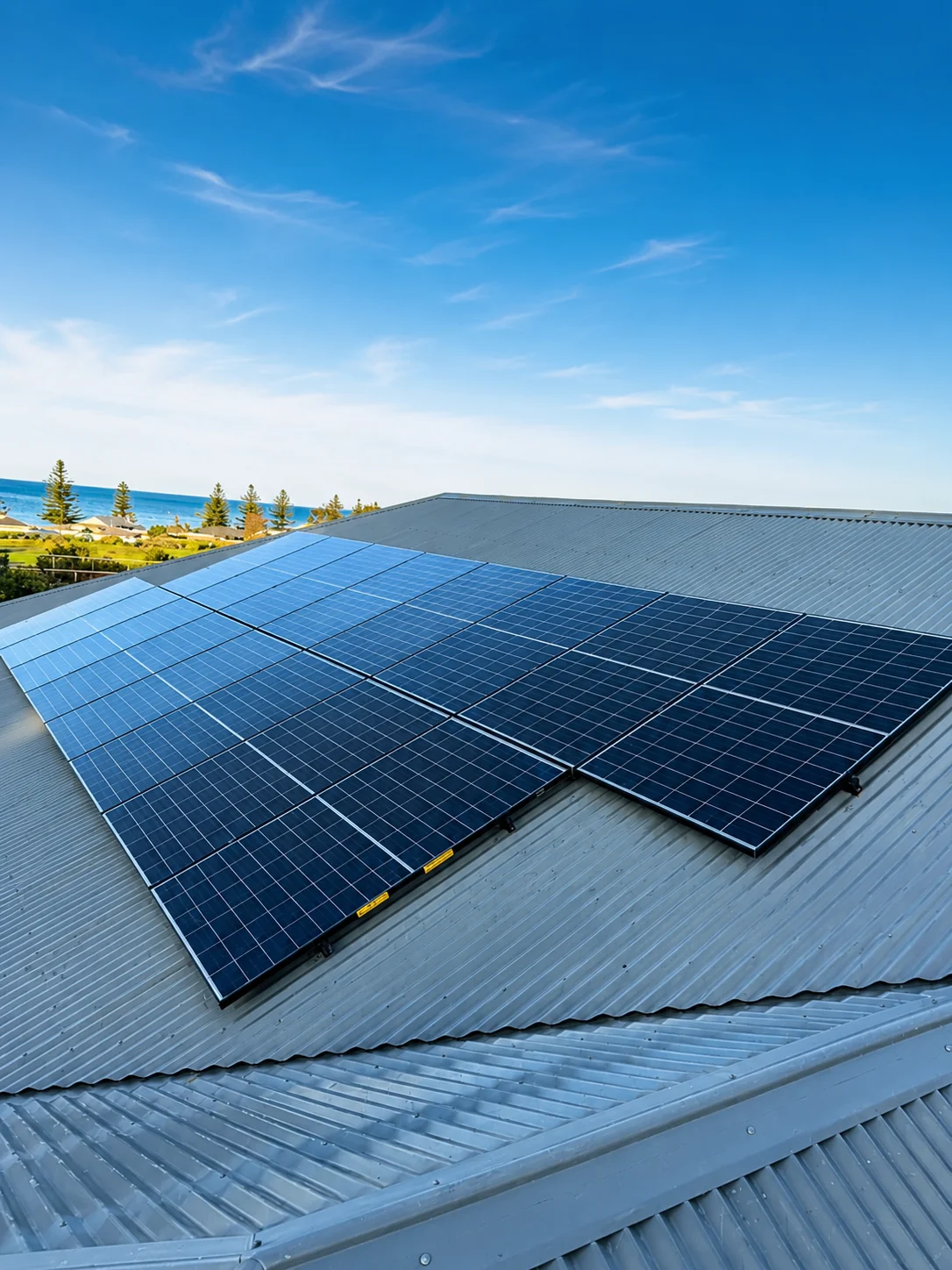
Compatible smart charging considered around rooftop solar, tariffs, batteries and household demand.
Safety first
An EV charger can be one of the property’s largest loads. Supply, switchboard capacity and other major appliances need to be considered together.
→Tell Laurence what you drive, where it parks and how you want charging to fit around solar, tariffs and daily life.
Useful to know
Clear practical information, supported by trusted Australian guidance where useful.
A 7, 11 or 22 kW rating is the charger’s maximum—not a guaranteed charging speed. The vehicle, available supply, phases, switchboard and charger settings can all set a lower limit.
Australian Government · EV charging ↗SA Power Networks says an EV charger is likely to be one of the largest electrical loads in a home. A dedicated circuit and an assessment of the whole property are important before equipment is selected.
SA Power Networks · Charging at home ↗Compatible chargers may schedule around selected tariff periods, use surplus solar or reduce charging demand when the home is heavily loaded. The best approach depends on when the car is parked and how the household uses power.
SA Power Networks · EV chargers ↗Direct with your electrician
Laurence listens to how you drive, assesses the property and explains the useful charging options in plain language. The car, cable route, switchboard, solar and future plans are considered together before a charger is recommended.
Share what is happening, where you are and what a good result looks like.
Laurence assesses the property, explains the options and confirms a clear scope.
The agreed work is tested, left tidy and handed over with practical guidance.
Common questions
Helpful starting points. The right answer still depends on the property and the existing electrical setup.
Not always. A standard outlet may suit modest daily driving and long charge windows. A dedicated charger becomes useful when you need more capacity, scheduling, solar integration or load management.
It depends on the charger, the vehicle’s onboard AC limit, battery size, state of charge, property supply and settings. Laurence can estimate useful performance once the car and proposed system are confirmed.
No. It generally requires a suitable three-phase supply, enough available capacity and a vehicle that can accept that AC rate. Bigger is only worthwhile when the home, car and routine can use it.
Many compatible smart chargers can follow surplus solar or operate within a broader home-energy system. Metering, communications, solar size and when the car is parked all matter.
Possibly, but not automatically. The existing board, protection, supply, cable route and charger requirements need inspection first.
Yes. The first assessment can consider future cable capacity, switchboard space, load management and likely parking arrangements.
The right answer depends on the property and what is already installed.
A practical next step
Tell Laurence what you drive, where it parks and how you want charging to fit around solar, tariffs and daily life.